
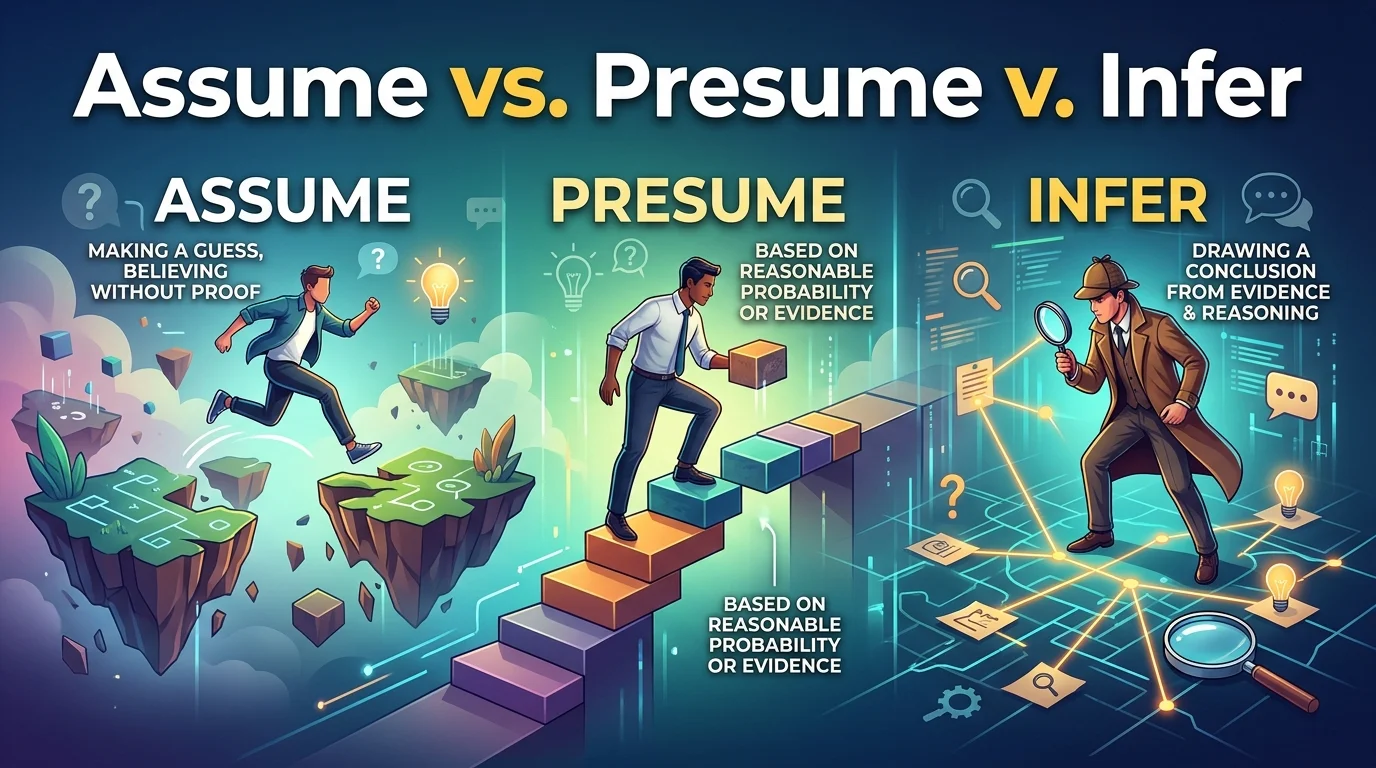
Assume vs. Presume v. Infer: Difference & Correctives?
“Assume,” “presume,” and “infer” are closely related words, but they describe different ways of reaching or accepting an idea. Assume usually means accepting something as … Read More
“Assume,” “presume,” and “infer” are closely related words, but they describe different ways of reaching or accepting an idea. Assume usually means accepting something as … Read More
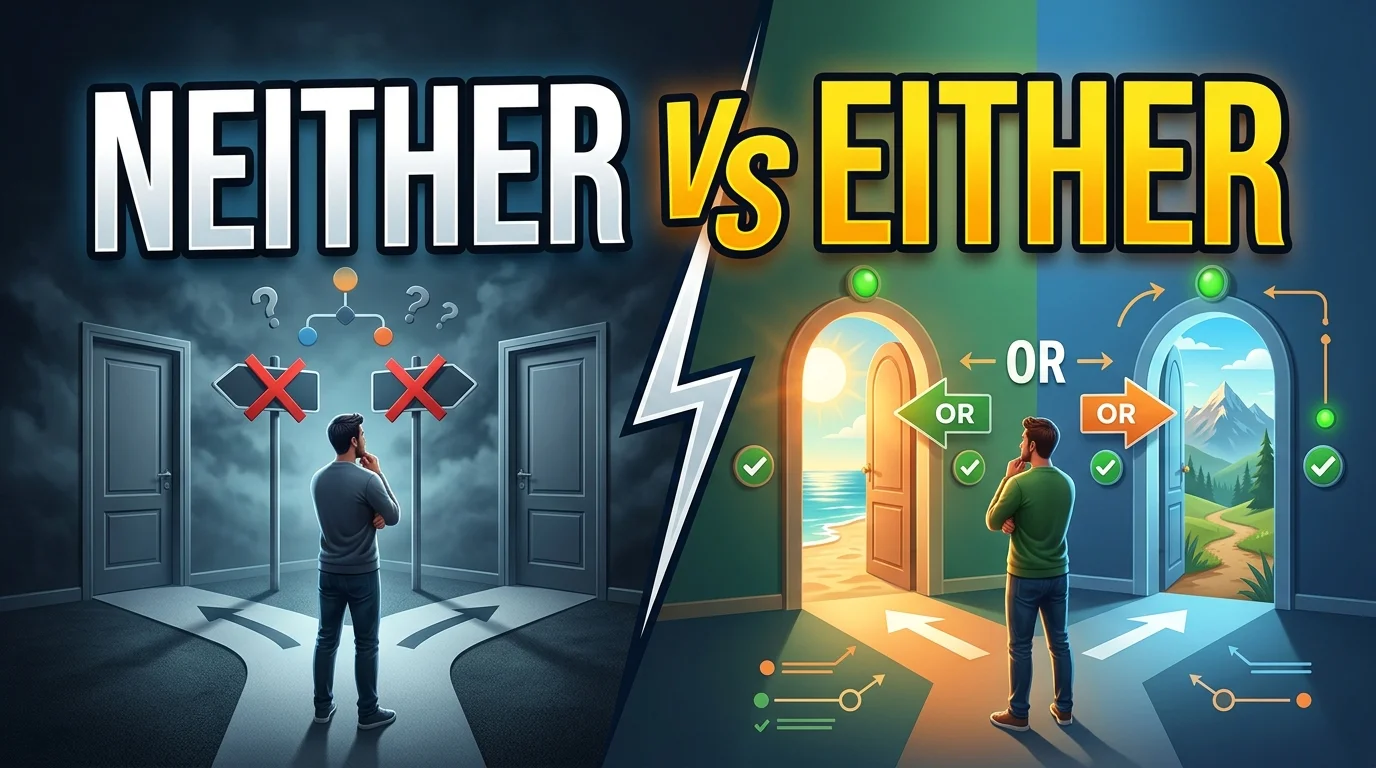
“Neither” and “either” are commonly confused because both refer to two choices or people. However, they express opposite ideas: either generally refers to one of … Read More

“Annual,” “yearly,” and “every year” all relate to something happening once a year, so they often seem interchangeable. However, they differ in grammar, style, and … Read More

“Screen,” “monitor,” and “display” are often used interchangeably, especially when talking about computers, phones, and televisions. However, they do not always mean the same thing. … Read More

“Quaff” and “coif” may look and sound somewhat similar, but they have completely different meanings. One describes the act of drinking something, while the other … Read More

“Felt” and “feel” are forms of the same verb, but they are used in different grammatical situations. Choosing between them mainly depends on tense, sentence … Read More

“Time has flew by” and “time has flown by” look very similar, but only one is grammatically correct in standard English. The confusion comes from … Read More
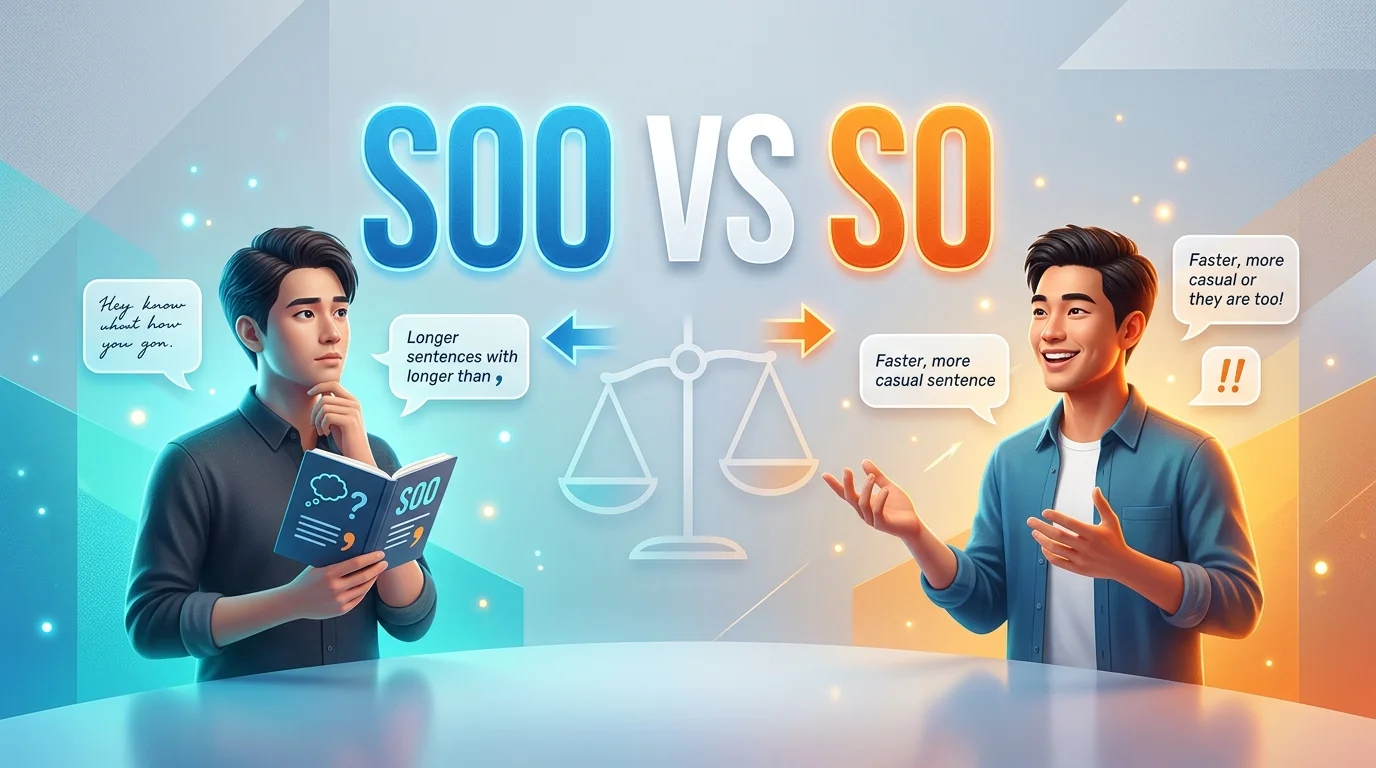
“Soo” and “so” look almost identical, but they do not have the same status in standard English. So is the normal, correct spelling used in … Read More
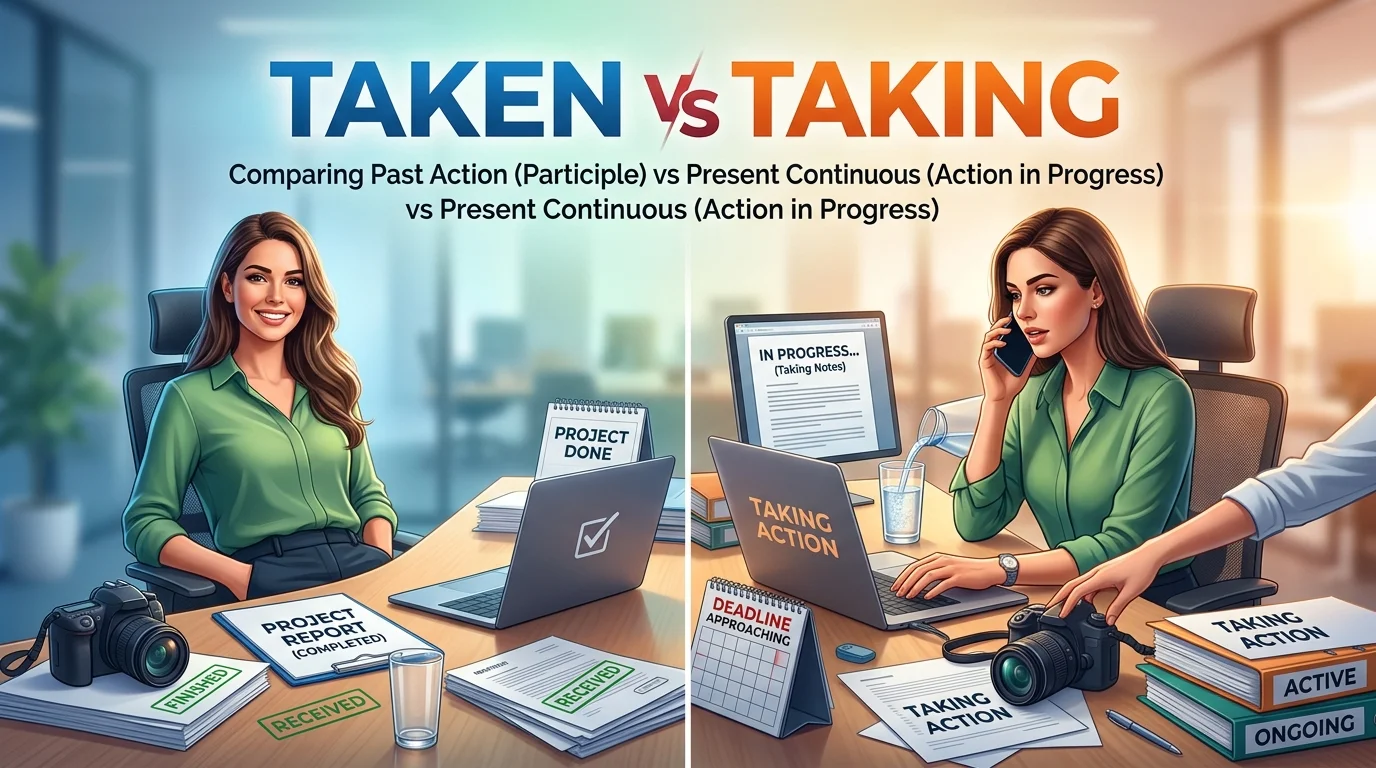
“Taken” and “taking” are both forms of the verb take, but they do not work in the same grammatical situations. The main difference is whether … Read More
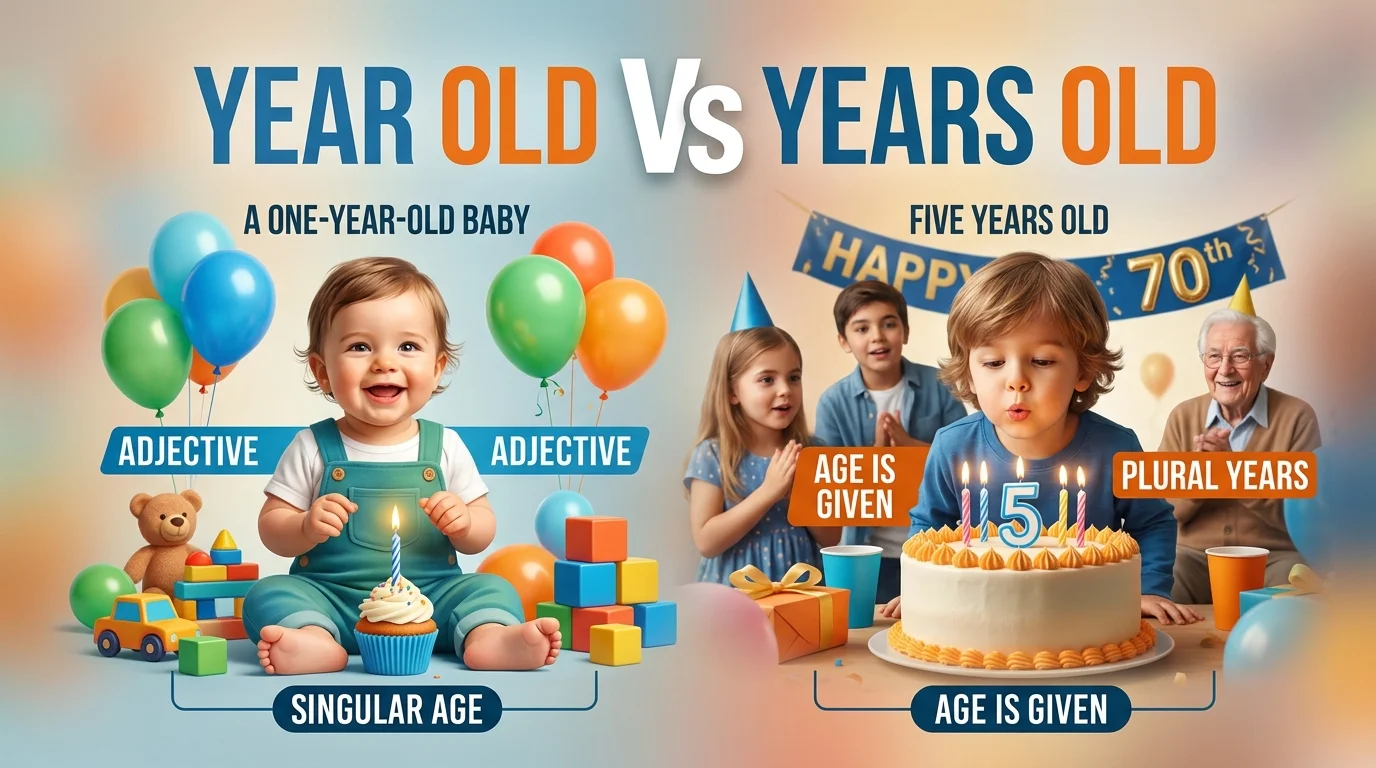
“Year old” and “years old” are both correct expressions, but they are used differently depending on the number and sentence structure. The key is knowing … Read More

Grammarquez makes learning English grammar simple, fun, and engaging. Improve your grammar, build confidence, and express yourself better one sentence at a time.
Contact Us