

Should You Say Thanks A Lot? Differences and Correctness
Knowing whether to say “thanks a lot” can help you sound polite, natural, and confident in everyday communication. This common expression is used to show … Read More
Knowing whether to say “thanks a lot” can help you sound polite, natural, and confident in everyday communication. This common expression is used to show … Read More
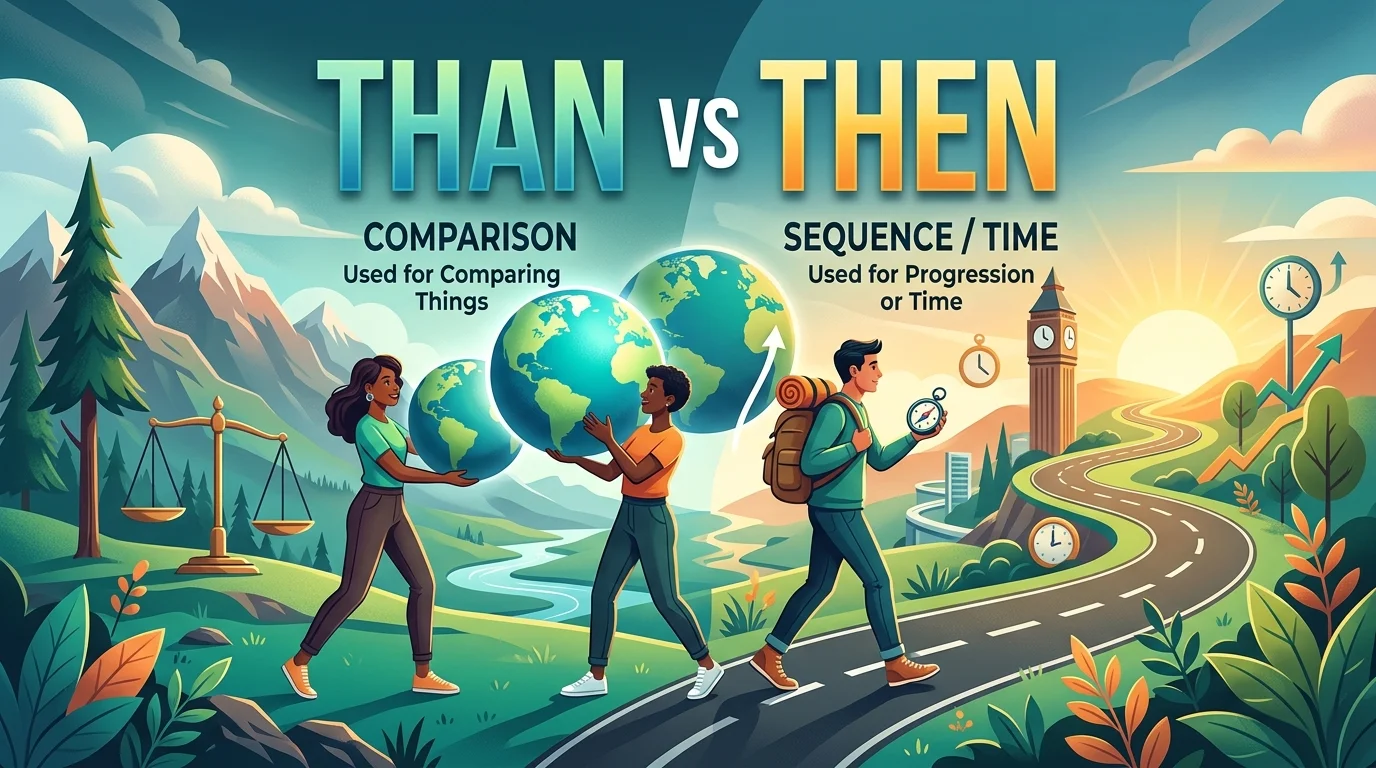
“Than” vs. “then” is a common English grammar confusion because these two words look and sound similar but have different meanings. Than compares people, things, … Read More
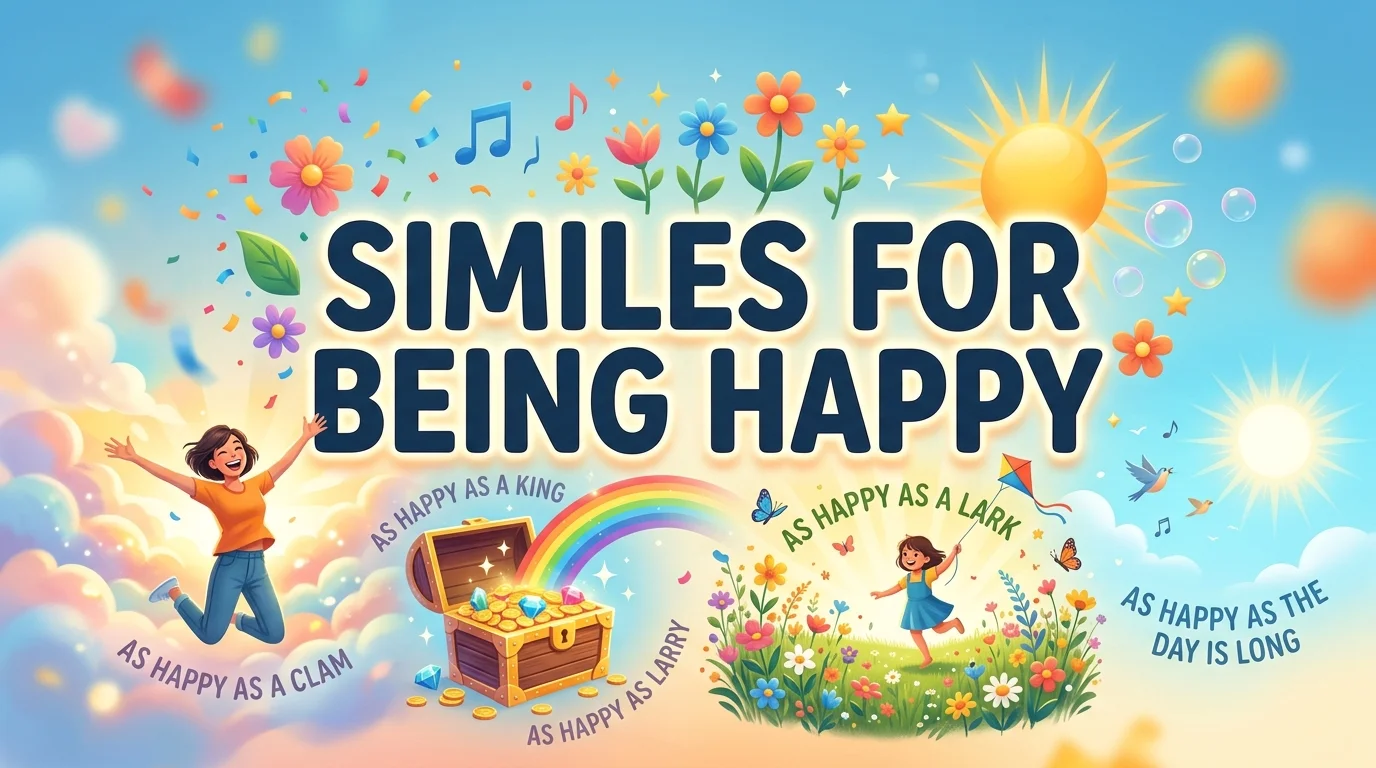
Similes for being happy help writers and speakers describe joy, excitement, and satisfaction more vividly and memorably. Instead of simply saying someone is happy, you … Read More
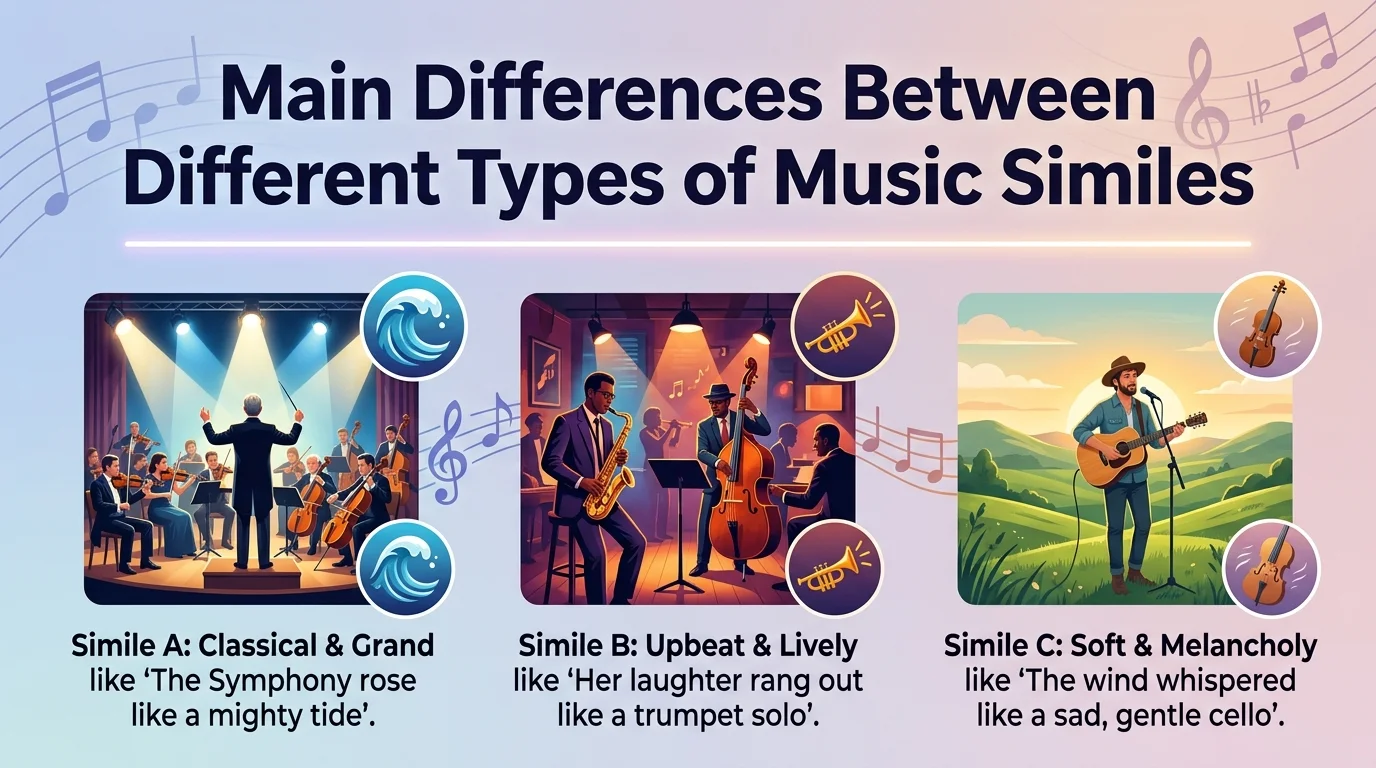
Similes for music compare a song, sound, voice, rhythm, or melody to something familiar using words such as “like” or “as.” They make descriptions more … Read More

“Sale” and “sail” sound exactly alike, but they have completely different meanings and uses. One relates to buying and selling goods or services, while the … Read More

“Smoothe Vs Smooth” is a common spelling question for English learners, writers, and anyone unsure whether smooth or smoothe is correct. In modern standard English, … Read More
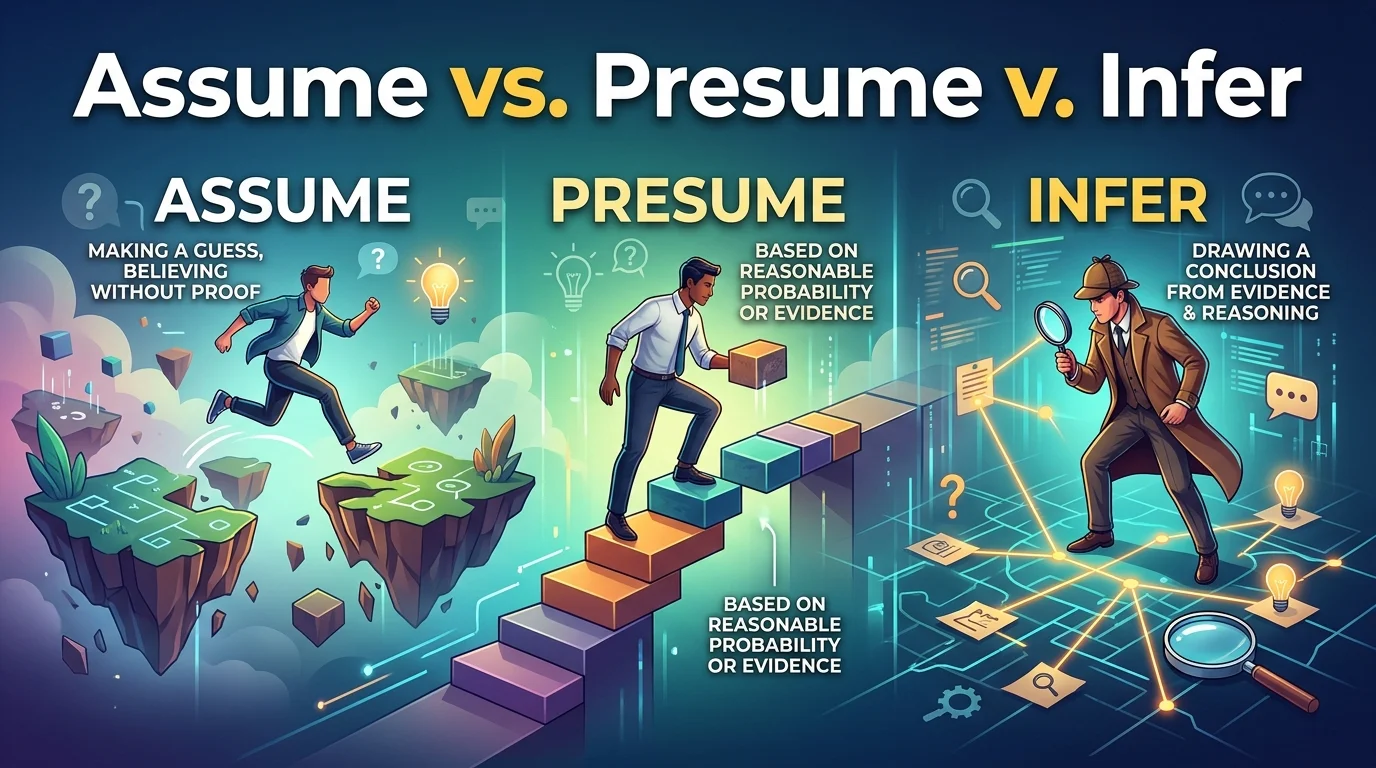
“Assume,” “presume,” and “infer” are closely related words, but they describe different ways of reaching or accepting an idea. Assume usually means accepting something as … Read More
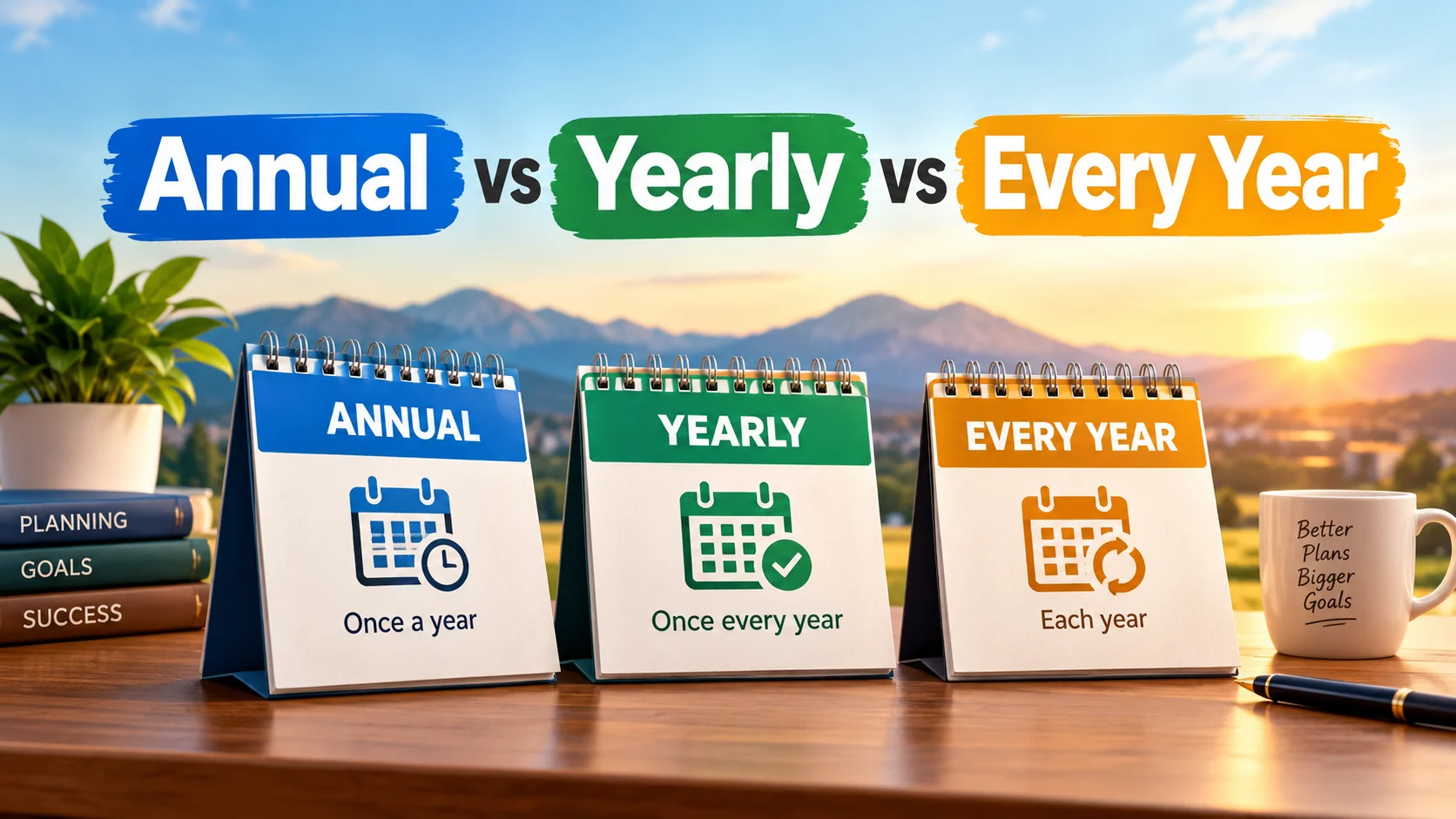
“Annual,” “yearly,” and “every year” all relate to something happening once a year, so they often seem interchangeable. However, they differ in grammar, style, and … Read More
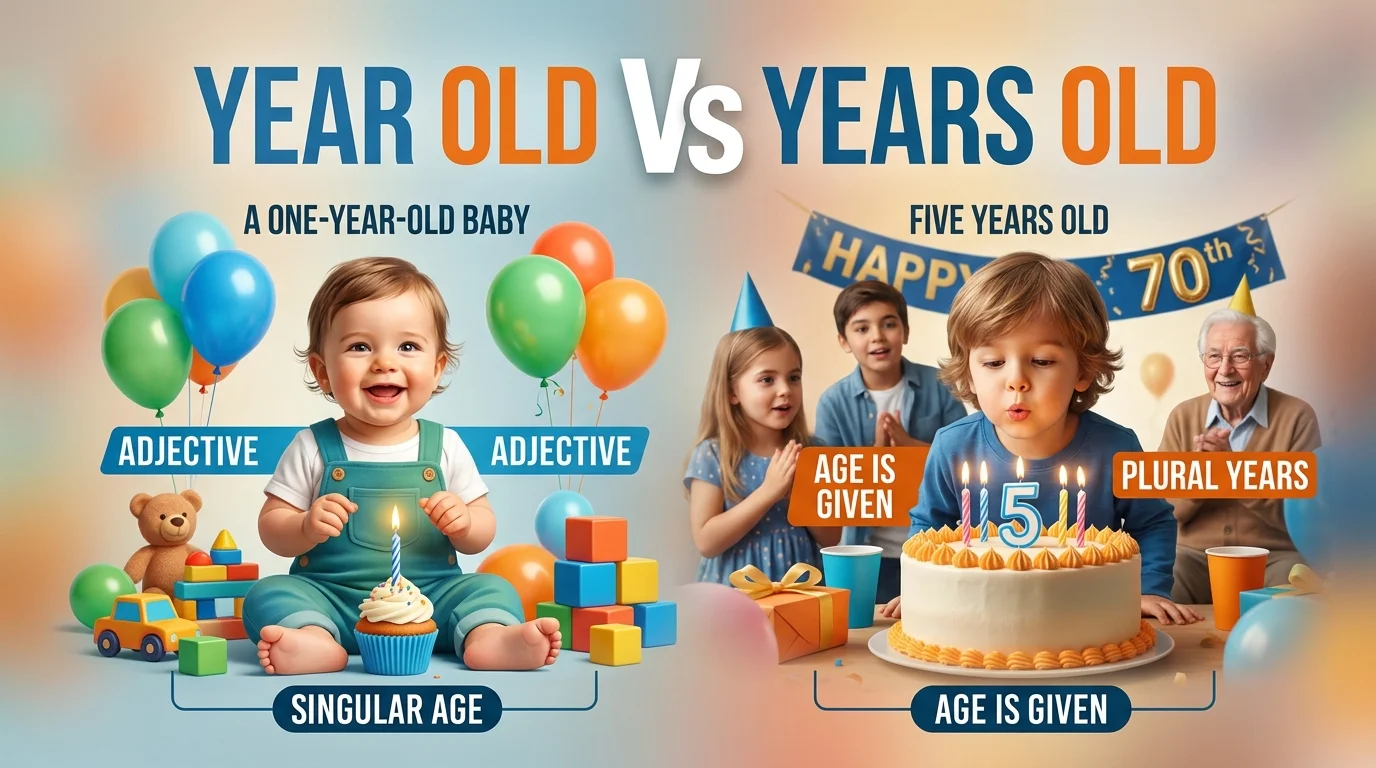
“Year old” and “years old” are both correct expressions, but they are used differently depending on the number and sentence structure. The key is knowing … Read More

Similes for sunsets are creative comparisons that help readers picture the beauty, color, mood, and atmosphere of a sunset. A sunset can be described as … Read More

Grammarquez makes learning English grammar simple, fun, and engaging. Improve your grammar, build confidence, and express yourself better one sentence at a time.
Contact Us