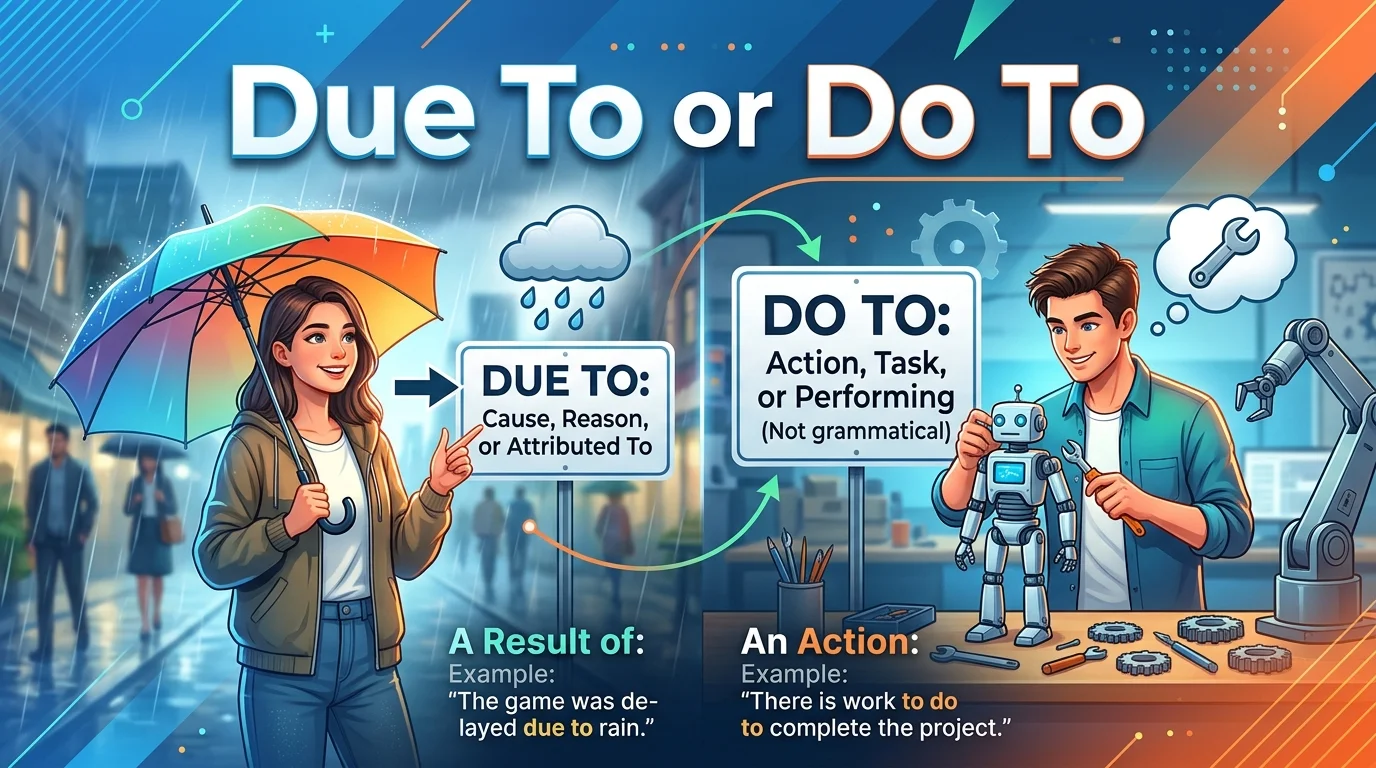
Due To or Do To: How to Use Each Phrase Correctly
Understanding the difference between similar-sounding expressions is essential for writing clear and grammatically correct English. “Due to” and “do to” may sound alike, but they … Read More
Understanding the difference between similar-sounding expressions is essential for writing clear and grammatically correct English. “Due to” and “do to” may sound alike, but they … Read More

Knowing whether to say “thanks a lot” can help you sound polite, natural, and confident in everyday communication. This common expression is used to show … Read More

“Did you had” or “did you have”—which expression is grammatically correct? If you have ever been confused about these two phrases, you are not alone. … Read More
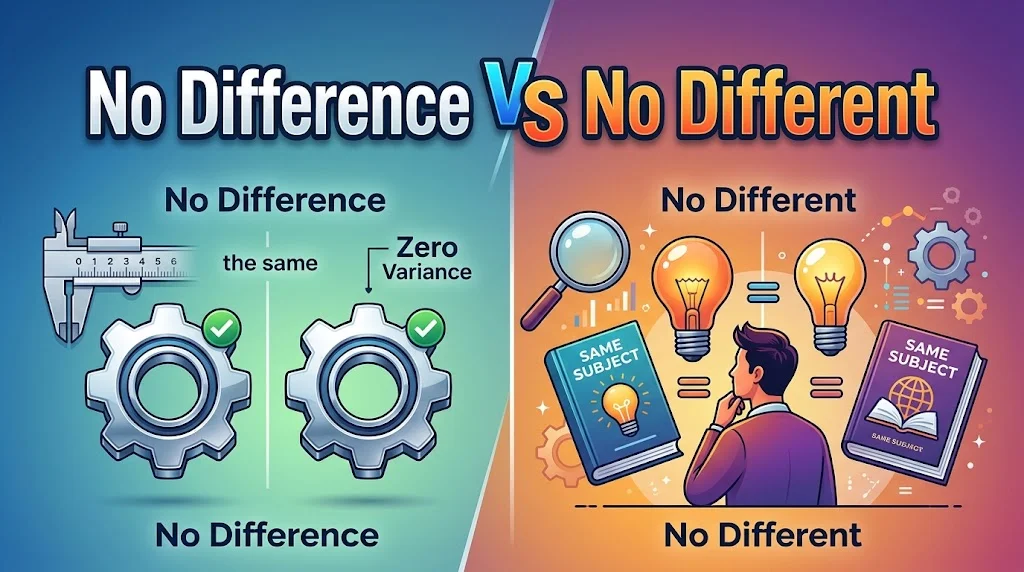
“No difference” and “no different” may look similar, but they are used differently in English. One is a noun phrase that describes the absence of … Read More
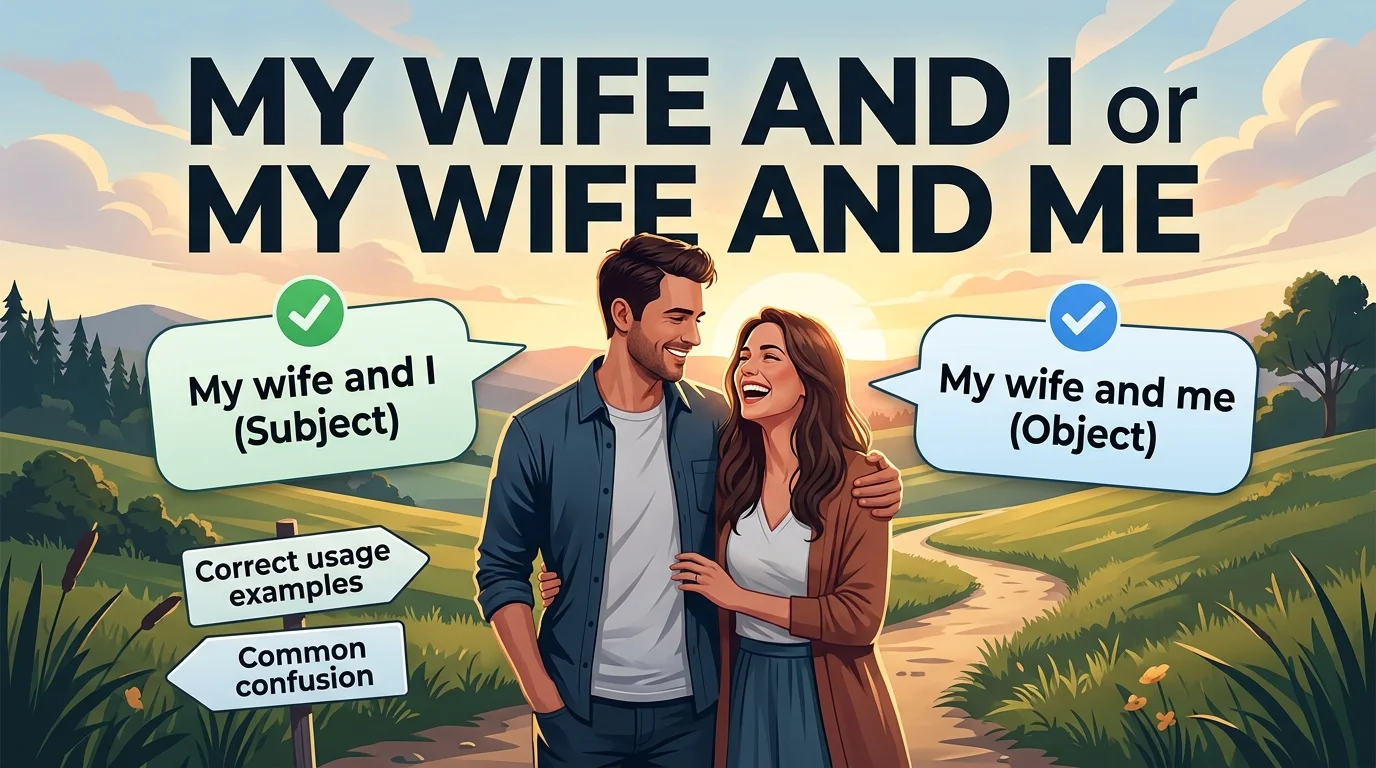
“My wife and I” or “my wife and me”—which expression is grammatically correct? Both phrases are correct in English, but they are used in different … Read More
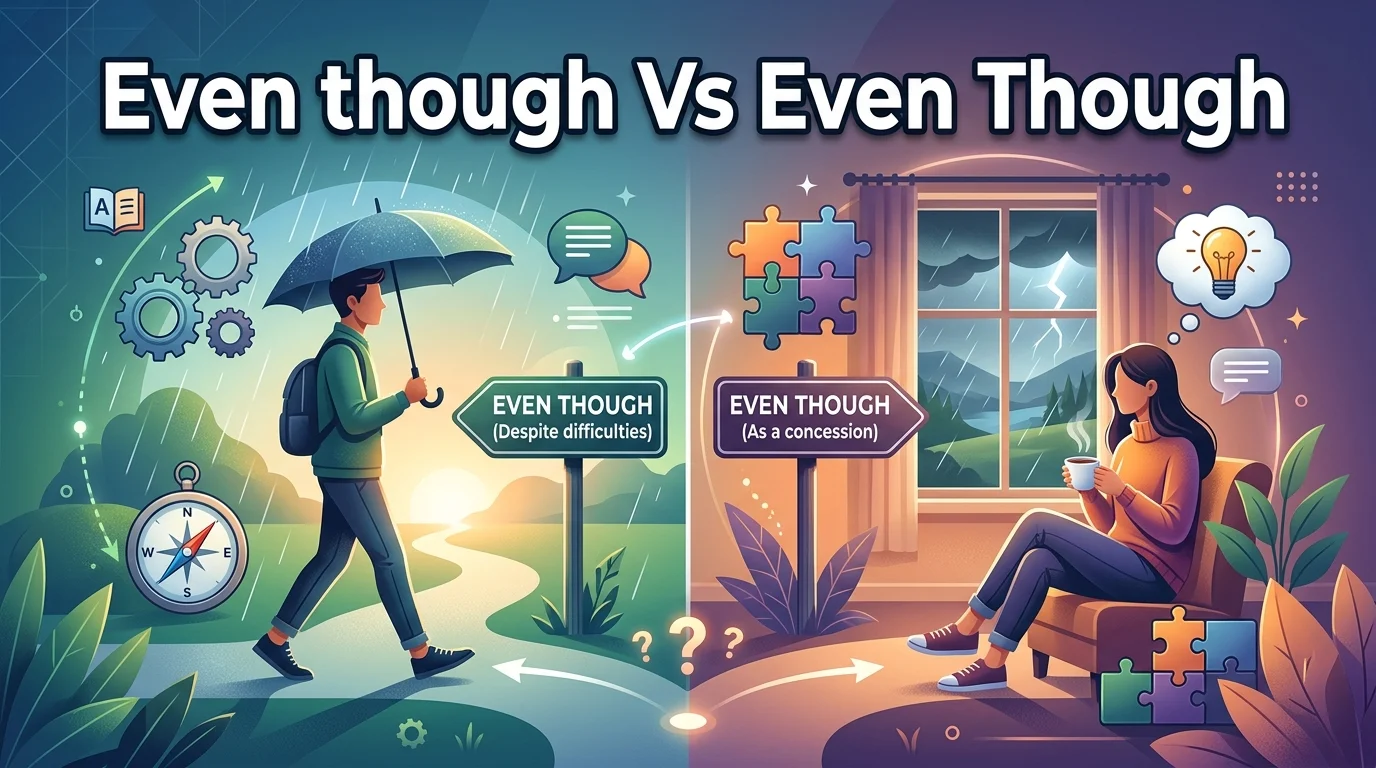
“Eventhough” vs. “even though” is a common spelling question for English learners, students, and writers. Although both forms may look similar, only one is considered … Read More
Similes for problems help readers understand difficult situations by comparing them to familiar experiences. Expressions such as “a problem is like a mountain,” “a problem … Read More

Similes for strength help writers describe physical power, emotional resilience, determination, and impressive abilities in vivid, memorable ways. By comparing strength to familiar objects, animals, … Read More
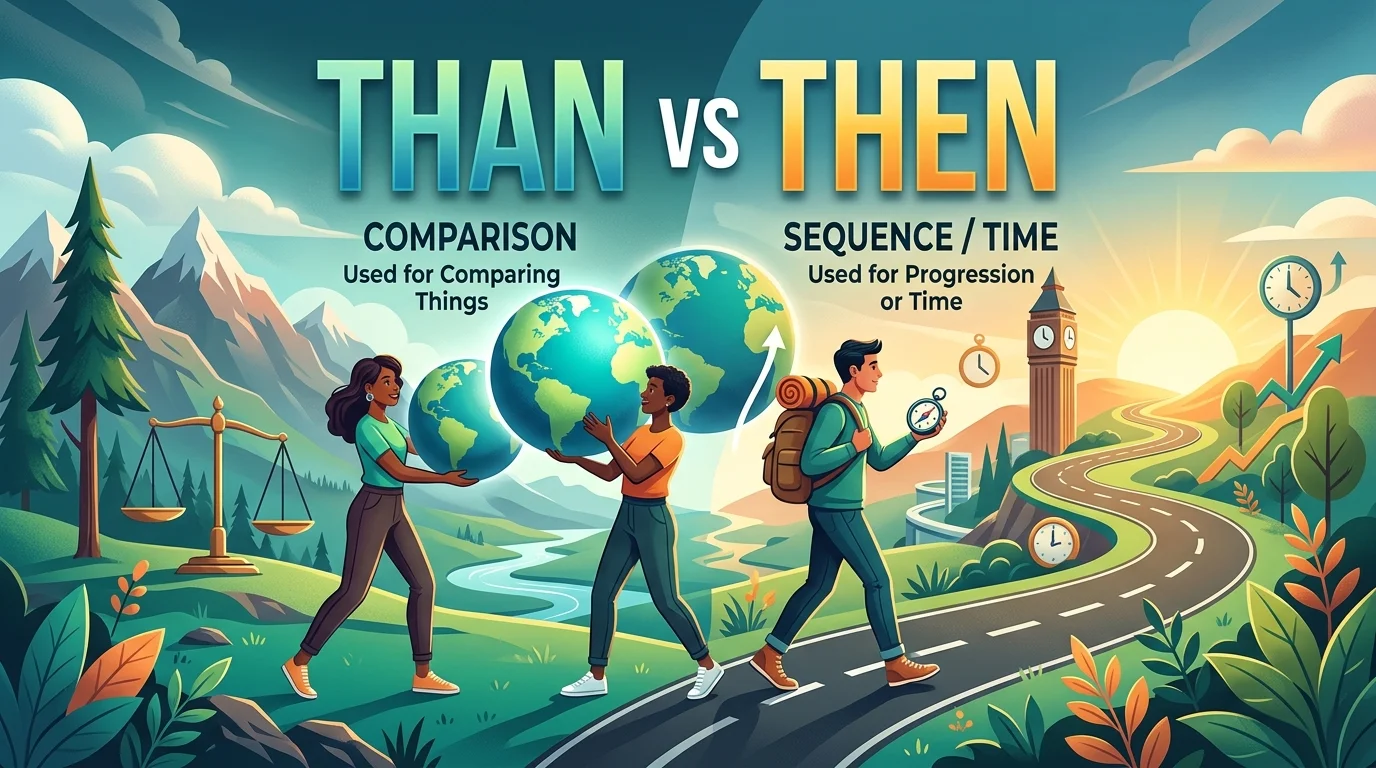
“Than” vs. “then” is a common English grammar confusion because these two words look and sound similar but have different meanings. Than compares people, things, … Read More
“Piece of mind” and “peace of mind” sound almost identical, but they have very different meanings. One is often confused with the other because of … Read More
Grammarquez makes learning English grammar simple, fun, and engaging. Improve your grammar, build confidence, and express yourself better one sentence at a time.
Contact Us