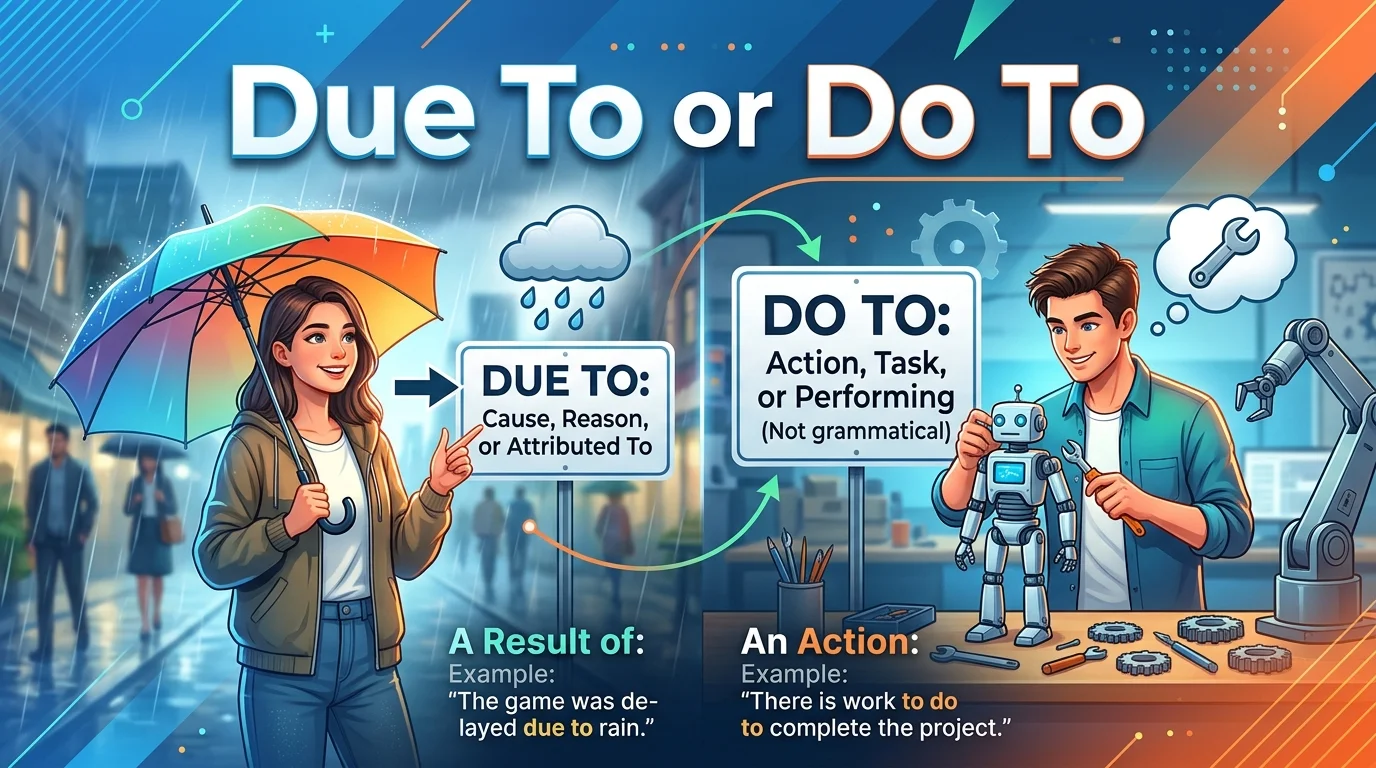
Due To or Do To: How to Use Each Phrase Correctly
Understanding the difference between similar-sounding expressions is essential for writing clear and grammatically correct English. “Due to” and “do to” may sound alike, but they … Read More
Understanding the difference between similar-sounding expressions is essential for writing clear and grammatically correct English. “Due to” and “do to” may sound alike, but they … Read More

“Did you had” or “did you have”—which expression is grammatically correct? If you have ever been confused about these two phrases, you are not alone. … Read More

Similes for strength help writers describe physical power, emotional resilience, determination, and impressive abilities in vivid, memorable ways. By comparing strength to familiar objects, animals, … Read More
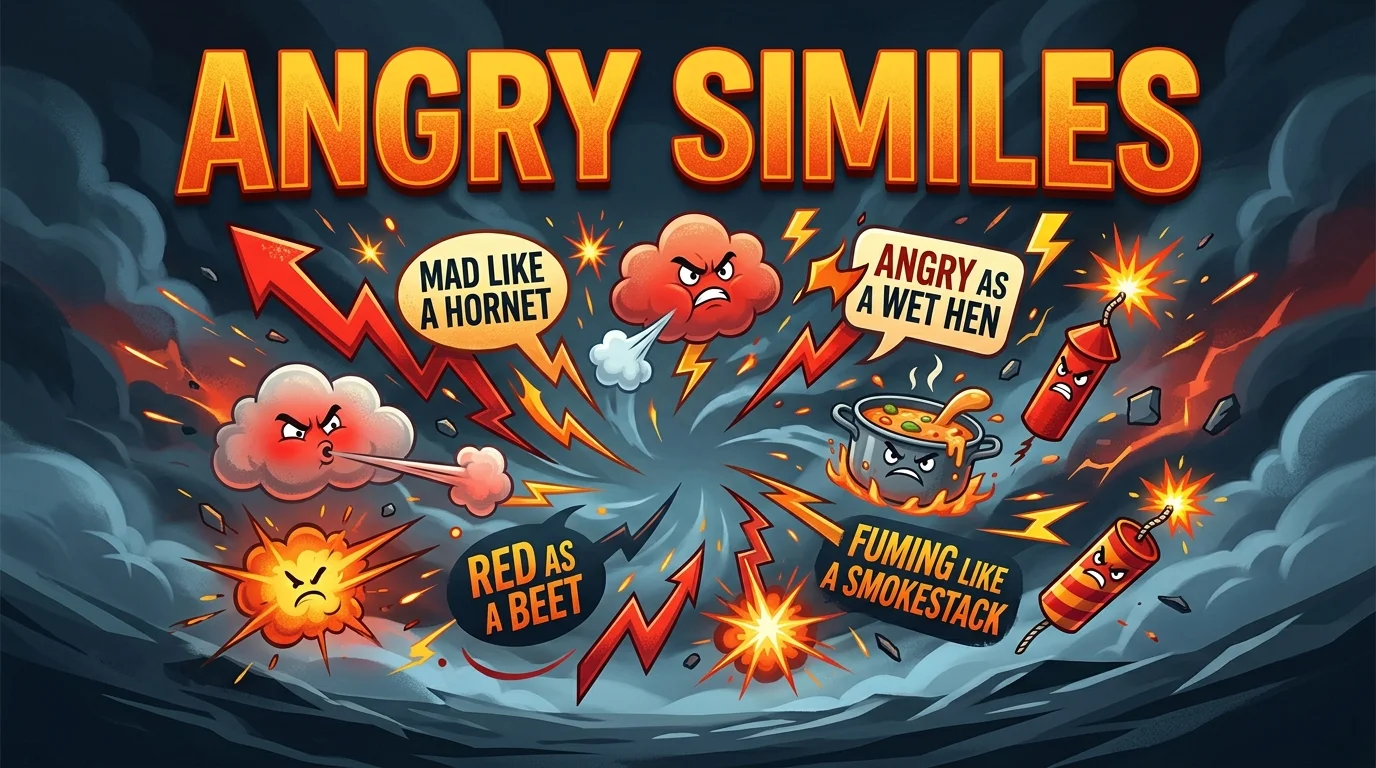
Angry similes compare anger to familiar people, animals, objects, or natural forces. They help readers understand how intense someone’s anger feels and make writing more … Read More

“Headed” and “heading” are closely related forms of the verb head, but they are not interchangeable in every sentence. Both can describe movement or direction, … Read More
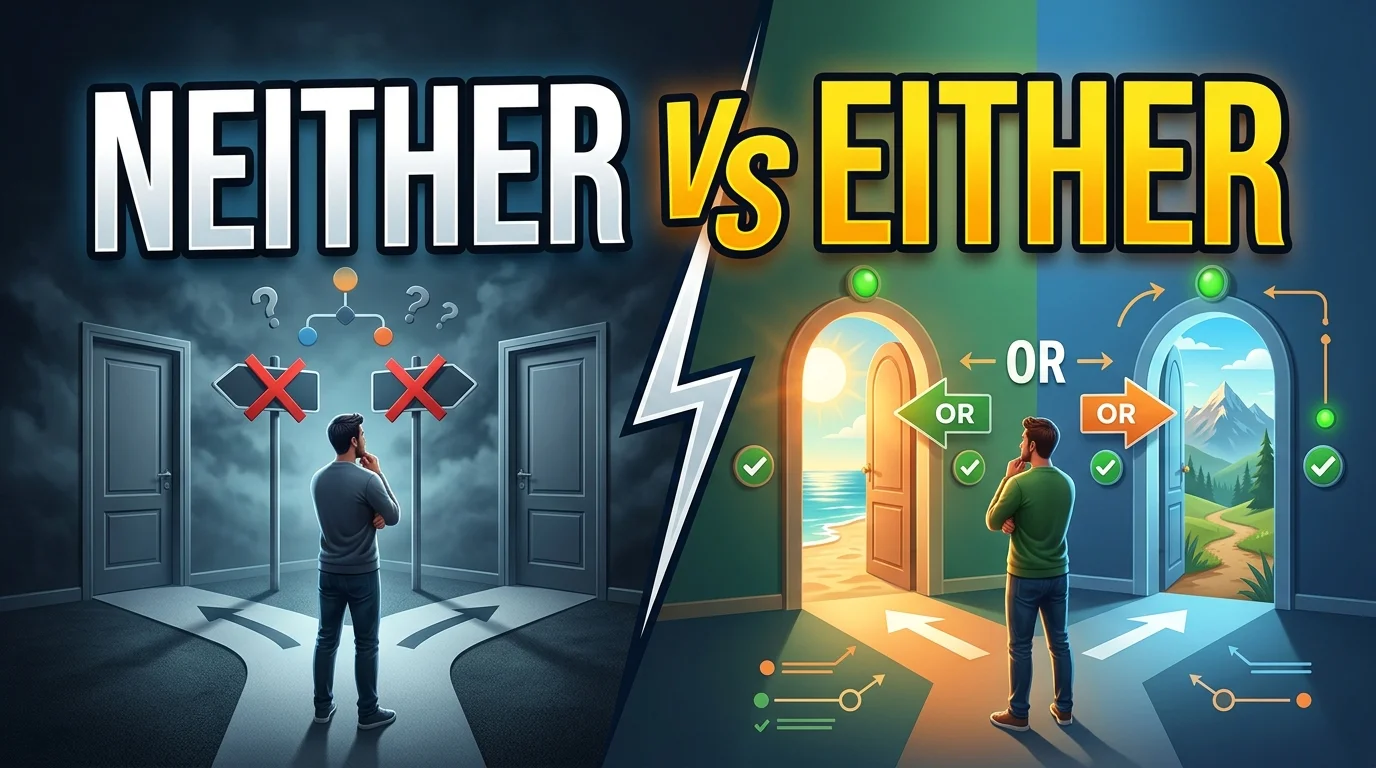
“Neither” and “either” are commonly confused because both refer to two choices or people. However, they express opposite ideas: either generally refers to one of … Read More
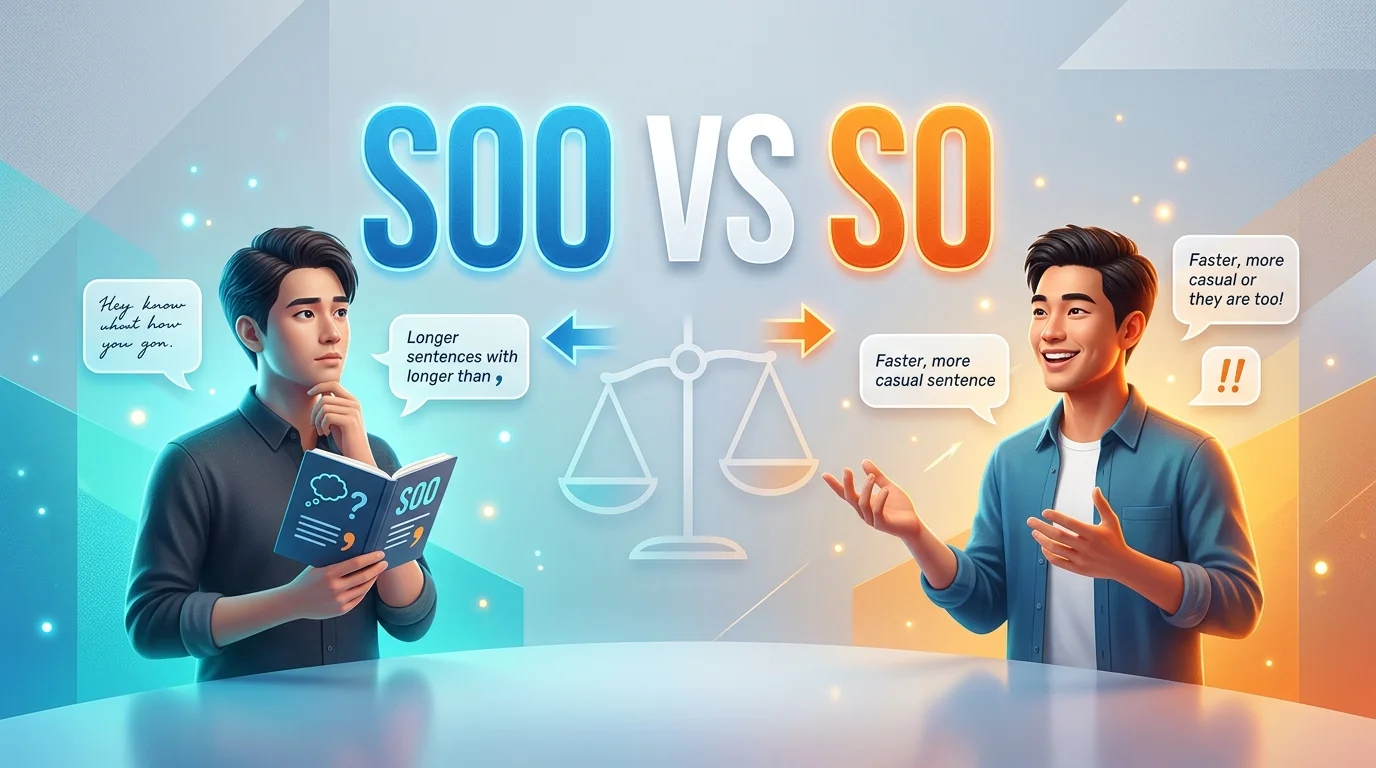
“Soo” and “so” look almost identical, but they do not have the same status in standard English. So is the normal, correct spelling used in … Read More
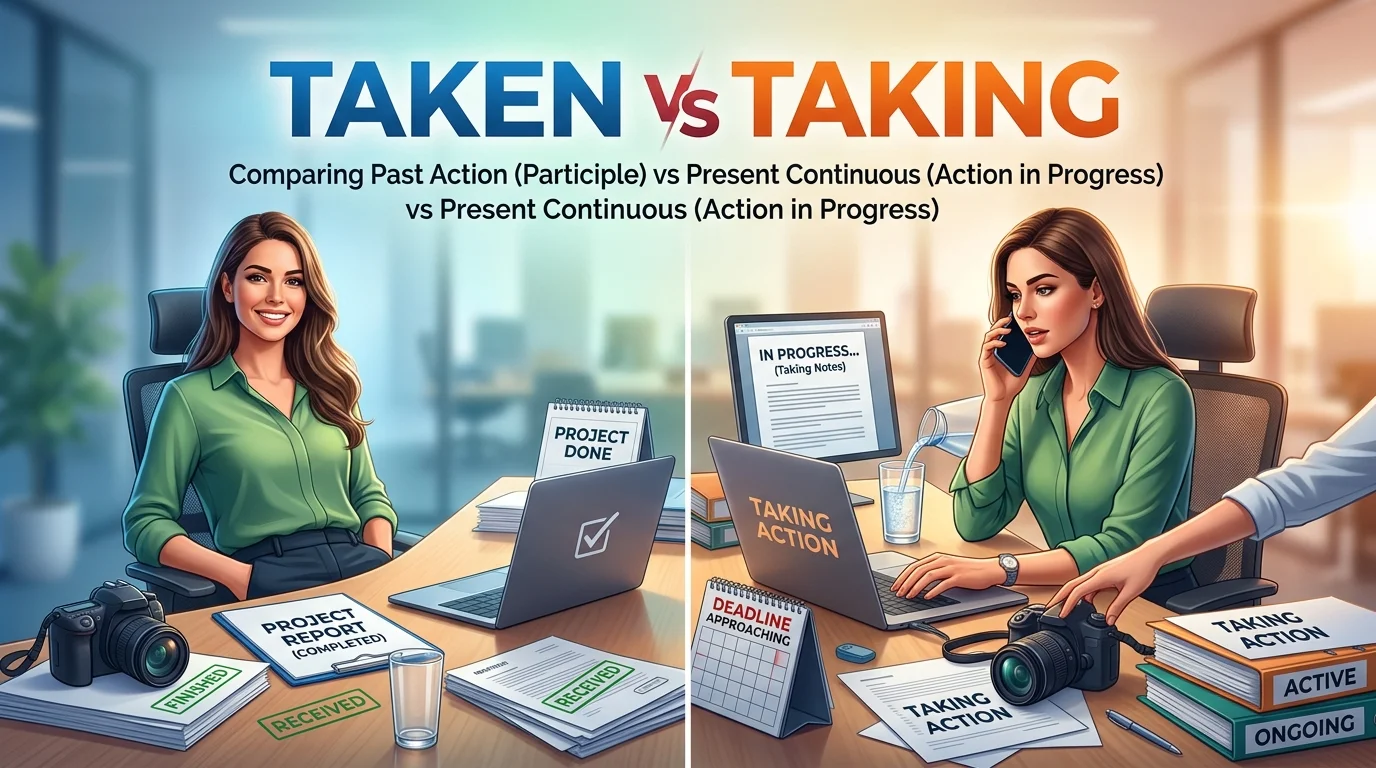
“Taken” and “taking” are both forms of the verb take, but they do not work in the same grammatical situations. The main difference is whether … Read More

Finding the right way to describe someone who is deeply loyal, caring, and committed can make writing much more expressive. The word devoted gives a … Read More

Finding the right simile for “mad” can make your writing more vivid, emotional, and memorable. Instead of simply saying someone is angry, a good comparison … Read More
Grammarquez makes learning English grammar simple, fun, and engaging. Improve your grammar, build confidence, and express yourself better one sentence at a time.
Contact Us